If you are looking for a Miami condo with real city energy, Downtown Miami and the Biscayne Corridor deserve a close look. This is not one single neighborhood or one-size-fits-all condo market. It is a connected urban corridor where waterfront parks, major cultural venues, transit access, and a fast-moving development pipeline all shape how you live and what you buy. Let’s dive in.
Why this corridor stands out
Downtown Miami and the Biscayne Corridor work best as a collection of urban pockets rather than a single condo district. According to the Miami Downtown Development Authority’s Downtown Development of Regional Impact, this planning area spans 927 acres and includes Brickell, the Central Business District, and the Arts & Entertainment District.
That matters if you are buying a condo because your day-to-day experience can change a lot from one pocket to the next. One building may put you steps from parks and museums, while another places you closer to rail connections, retail, nightlife, and hospitality-driven amenities.
The bigger story is how the area is being intentionally connected. The 2025 Downtown Miami Master Plan focuses on linking the CBD, Brickell, the Arts & Entertainment District, and the waterfront through stronger public space, transit access, and walkability.
For buyers, that creates a useful framework. If you want a condo tied to an urban, walkable, event-oriented lifestyle, this corridor is increasingly built for that experience.
What condo buyers are seeing now
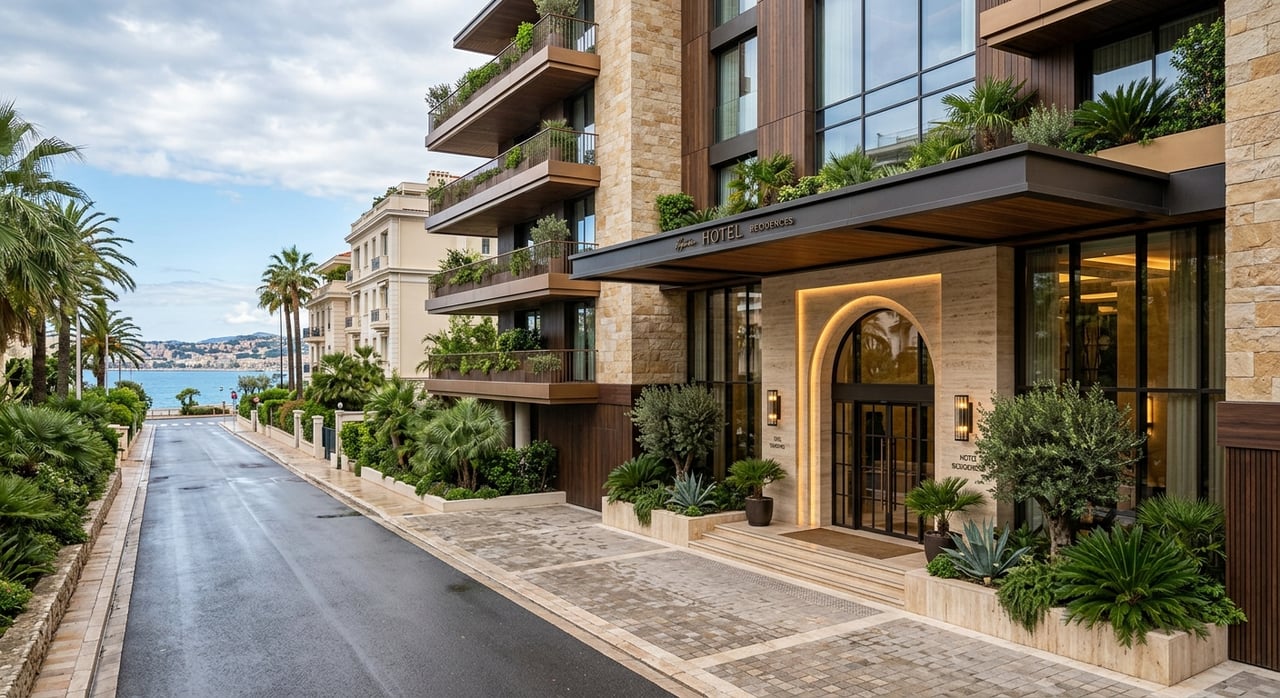
The condo product here is broad, but the strongest theme is clear: more mixed-use, more branded residences, and more flexibility in how owners use their property. That makes Downtown and Biscayne especially relevant if you are comparing a primary residence, a pied-à-terre, or an investment-oriented purchase.
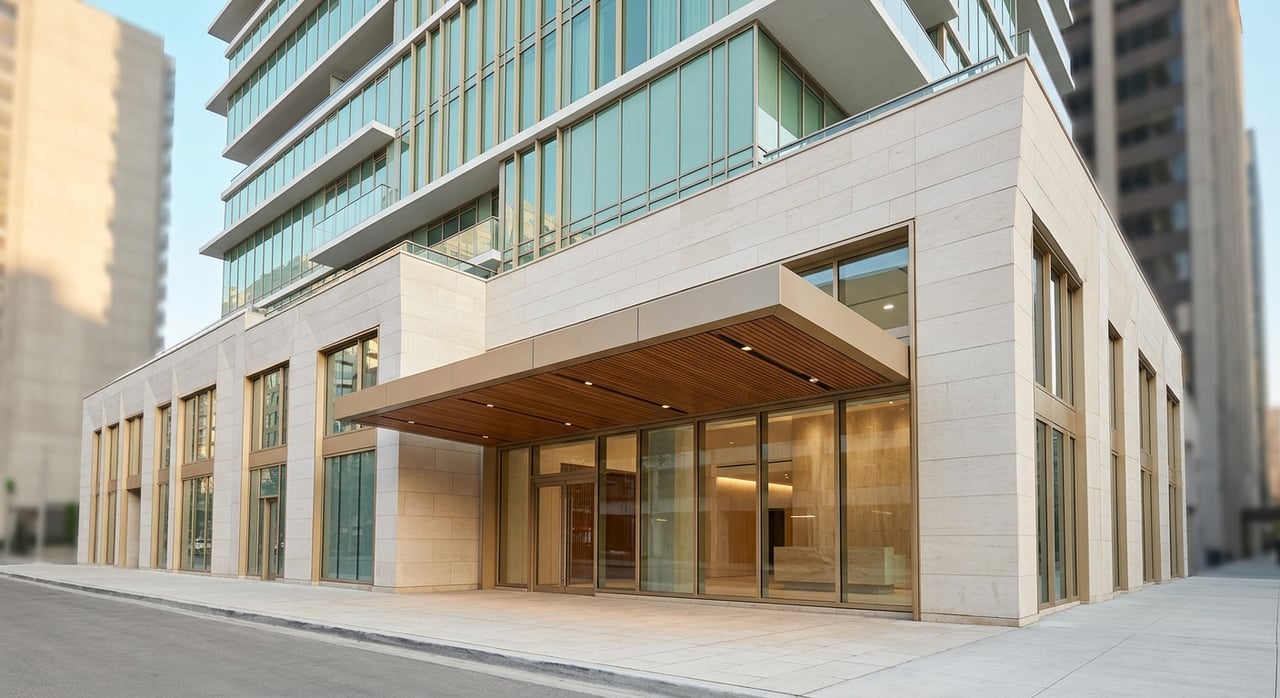
One of the biggest milestones is the grand opening of Miami Worldcenter in May 2025. The 27-acre, 10-block development is described as including about 11,000 residences, more than 1,000 hotel rooms, 300,000 square feet of retail, and 16 high-rise towers for residential and hospitality uses.
That scale changes how buyers should think about the area. Worldcenter is no longer just a future concept. It is functioning as a neighborhood with retail, public space, and close access to Museum Park, the Kaseya Center, the Adrienne Arsht Center, and Miami Dade College’s Wolfson Campus.
Branded and hospitality-linked towers
A defining feature of this corridor is the rise of branded and hospitality-connected residential product. If you value services, visibility, and a more global luxury profile, that may be a plus. If you want a quieter owner-occupant atmosphere, it is something to weigh carefully.
Waldorf Astoria Hotel & Residences Miami at 300 Biscayne Boulevard remains one of the most closely watched luxury projects in the area. The project broke ground in 2022, and later reporting cited major construction financing in 2024 with completion slated for the second quarter of 2028.
Okan Tower is also part of this branded shift, marketed as a 70-story Hilton-branded project with delivery targeted for 2027. Nearby, E11EVEN Club Hotel & Residences is positioned around a club-hotel lifestyle, while The Elser opened in 2022 as a condo-hotel after demand favored condo ownership with short-term leasing flexibility.
For many buyers, this is where strategy matters most. A branded residence can offer strong appeal, but your decision should match your intended use, building rules, and comfort with a more hospitality-driven environment.
Investor-friendly options to note
Some parts of the corridor lean more clearly toward flexible ownership models. That does not make them better or worse. It simply means they may fit a different buyer profile.
In Miami Worldcenter, 600 Miami Worldcenter is marketed as a fully furnished tower with short-term-rental approval. That positions it differently from a more traditional condo where the focus is full-time residential use.
If your goal is occasional personal use plus rental flexibility, these buildings may move to the top of your list. If your priority is a steadier residential rhythm, you may want to focus on buildings and pockets with a more end-user feel.
How the micro-pockets compare
One of the smartest ways to shop this market is by micro-pocket. Even within a few minutes of each other, these areas can feel very different.
Bayfront and Biscayne Bayfront
This is the trophy-view pocket of the corridor. It is anchored by Bayfront Park, Maurice A. Ferré Park, Waldorf Astoria Miami, and the future One Bayfront Plaza, a proposed mixed-use tower rising to 1,049 feet.
If you are drawn to bay views, skyline exposure, landmark addresses, and a strong visual connection to the waterfront, this pocket tends to stand out. It is less about a low-key residential mood and more about profile, setting, and long-term prominence.
Park West, Worldcenter, and MiamiCentral
This is the most active mixed-use and transit-driven part of the corridor. It combines the momentum of Miami Worldcenter with a cluster of buildings that support flexible ownership, hospitality integration, and strong access to transportation.
Brightline’s MiamiCentral Station sits in the heart of downtown and connects closely to Tri-Rail, Metrorail, Metromover, and bus service. Since Tri-Rail service began at MiamiCentral in 2024, this area has become an even more important multimodal hub.
If you want a condo in the center of motion, this pocket offers convenience and energy. It is especially relevant for buyers who value flexibility, event access, and the ability to move through the city without relying on a car for every trip.
Arts and Entertainment District and Omni
This pocket offers one of the most balanced lifestyles in the corridor. You are close to culture, public space, and transit, with a daily experience that can feel more grounded in parks and waterfront access.
The Adrienne Arsht Center hosts more than 300 events each year, while the Frost Museum of Science sits in Maurice A. Ferré Park next to the Museum Park Metromover station. For end-users who want an urban home base with culture and open space built into the routine, this area deserves serious attention.
Parks, waterfront, and walkability
For many condo buyers, the public realm is part of the value proposition. In Downtown and Biscayne, that story is getting stronger.
Bayfront Park is a 32-acre urban park, and Maurice A. Ferré Park adds another 30 acres on the waterfront. Together, they help give this corridor a more open, outdoor feel than some buyers expect from a dense urban core.
The Downtown Development Authority also describes the Baywalk and Riverwalk as overlapping waterfront paths that together create nearly 5 miles of connected corridor. Longer term, the DDA is also tracking projects tied to Baywalk and Riverwalk completion, the Biscayne Green concept, the Underdeck and Rev. Edward T. Graham Heritage Trail, and Fort Dallas Park.
One especially meaningful connection is the planned I-395 Baywalk Pedestrian & Bikeway Bridge, designed to close a major gap in the Baywalk and improve waterfront continuity between key public spaces. If you care about daily walkability and future public-realm upgrades, these are not small details.
Transit is a real advantage here
Transportation is a major reason many buyers choose this corridor over other condo areas. If you value options beyond driving, Downtown Miami performs well.
Metromover is free, runs seven days a week, and serves downtown, Omni, and Brickell through 21 stations. That kind of free local circulation can make a real difference in how often you use your car, especially for workdays, events, or quick errands.
The DDA also reports that its Downtown Circulator pilot has averaged more than 2,000 riders per month and is slated to expand further into Brickell and the Arts & Entertainment District. Combined with MiamiCentral, Metromover, and the broader transit network, the corridor offers one of the strongest transportation mixes in the urban core.
Downtown versus Brickell
Buyers often compare Downtown and Biscayne with Brickell, and that is fair because they are closely linked in the DDA planning framework. But the best comparison is not just price or tower age.
Downtown and Biscayne currently offer a different daily-life profile, shaped by museums, waterfront parks, arena programming, rail access, and visible public-space investment. Brickell has its own strong appeal, but if you want more cultural anchors, event access, and civic waterfront presence built into your surroundings, Downtown and the Biscayne Corridor may feel like the better fit.
What to evaluate before you buy
In a market this dynamic, building selection matters as much as location. Before you move forward, focus on how you plan to use the condo and how the building supports that use.
A few smart questions to ask include:
- Is this building designed more for full-time residents, part-time owners, or flexible rental use?
- How important are branded services and hospitality amenities to your lifestyle?
- Do you want direct access to parks, culture, and waterfront paths?
- Will you use transit regularly, including Metromover or Brightline?
- Are you buying for personal enjoyment, income flexibility, or long-term positioning?
In preconstruction especially, details can change. The research on several projects shows that unit counts and other specifications may vary across materials, so final offering documents should always guide your decision.
If you are weighing Downtown Miami and the Biscayne Corridor, the right buy is rarely just about the view. It is about matching the building, the pocket, and the ownership model to the life you want to live in Miami. For tailored guidance on luxury condos, branded residences, and high-profile opportunities across Miami’s urban core, connect with Dora Puig.
FAQs
What makes Downtown Miami and the Biscayne Corridor different for condo buyers?
- This corridor combines waterfront parks, cultural venues, major transit connections, and a large pipeline of new condo and mixed-use development, giving buyers several distinct urban lifestyle options in one connected area.
Which Downtown Miami pocket is best for bay views and landmark towers?
- The Bayfront and Biscayne Bayfront pocket is the strongest fit if you want skyline views, direct waterfront presence, and high-profile addresses near Bayfront Park and Maurice A. Ferré Park.
Which Downtown Miami area fits buyers who want transit access?
- Park West, Miami Worldcenter, and MiamiCentral stand out for transit access because they are closely tied to Brightline, Tri-Rail, Metrorail, Metromover, and bus connections.
Are there condo buildings in Downtown Miami with short-term rental flexibility?
- Yes, some projects in the corridor are marketed with flexible or short-term rental positioning, including 600 Miami Worldcenter and condo-hotel style options such as The Elser.
Is the Arts and Entertainment District a good fit for end-users?
- Yes, this pocket may appeal to end-users who want close access to parks, museums, performance venues, and transit in a more culture-oriented daily setting.
Why should condo buyers pay attention to public-realm projects in Downtown Miami?
- Public-realm improvements such as Baywalk connections, waterfront paths, and pedestrian infrastructure can shape long-term walkability, daily convenience, and the overall lifestyle value of a condo location.