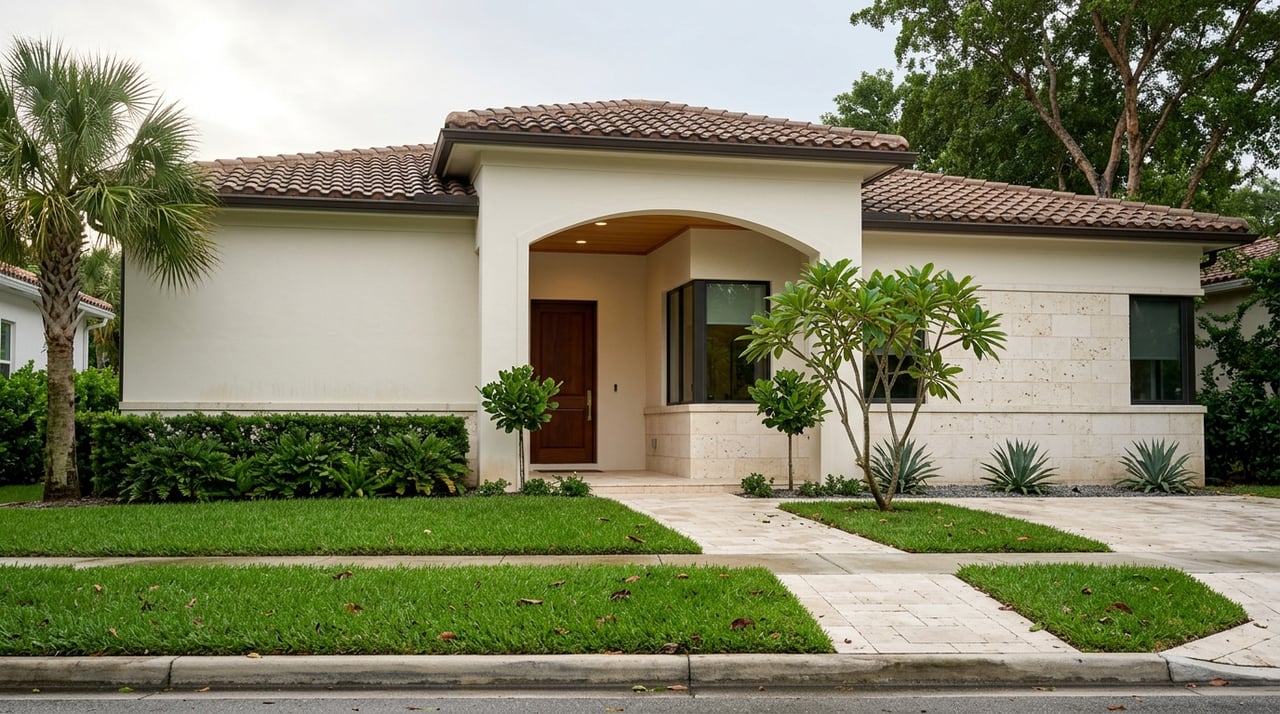
If you are choosing between Coconut Grove and Coral Gables, you are not just comparing addresses. You are comparing two of Miami’s most established enclaves, each with a distinct look, pace, and lifestyle feel. For luxury buyers who care about architecture, waterfront access, and everyday atmosphere, the difference matters. Let’s take a closer look at what sets each one apart.
Why Coconut Grove and Coral Gables Feel Different
Coconut Grove and Coral Gables sit near each other, but they were shaped in very different ways. Coconut Grove is Miami’s oldest neighborhood, with Bahamian and bohemian roots that still influence its character today. Coral Gables was planned as a City Beautiful community, with Mediterranean architecture, civic design, and green avenues built into its identity from the start.
That history still shows up in how each place feels when you arrive. In Coconut Grove, the experience is more layered, leafy, and eclectic. In Coral Gables, the setting feels more formal, coordinated, and classically composed.
Coconut Grove: Bayfront and Village-Like
Coconut Grove stands out for its organic streetscape and strong connection to Biscayne Bay. City preservation materials describe a mix of Mediterranean Revival villas, Craftsman bungalows, Bahamian cottages, and conch houses, especially in the Charles Avenue area. The neighborhood conservation district also emphasizes preserving tree canopy, green space, bay views, and architectural variety.
That blend gives the Grove a lived-in, collected feel. Streets can feel shaded and intimate, and the neighborhood’s village pattern connects homes, parks, and shopping in a way that feels easy to navigate. The local trolley route also supports that village rhythm by serving parks, shopping areas, and City Hall.
Waterfront Life in Coconut Grove
If being close to the water is high on your list, Coconut Grove delivers a concentrated bayfront experience. The city’s waterfront plan identifies Peacock Park, Dinner Key, Kennedy Park, the sailing club, and mooring fields as the heart of the neighborhood’s waterfront life. Sailboats are part of the everyday scene here, not just a weekend backdrop.
Dinner Key Marina is a major anchor, with 587 wet slips and more than 250 moorings. Peacock Park adds a 9.4-acre waterfront setting with direct access to the Intracoastal Waterway. For buyers who want a neighborhood where bay activity is visible and central, the Grove offers a strong sense of place.
Culture and Daily Rhythm in Coconut Grove
Coconut Grove has a culture that feels community-centered and event-driven. The Coconut Grove Arts Festival remains one of the area’s defining cultural markers, drawing tens of thousands of visitors and featuring hundreds of artists, live entertainment, and culinary experiences. The neighborhood’s early African-American and Bahamian history also remains part of the public story through events such as Grove Heritage Day.
On an everyday level, the Grove combines waterfront access with walkable retail and dining. The city notes that the retail and entertainment district, including CocoWalk, sits within walking distance of the marina. That creates a lifestyle where boating, parks, dining, and shopping feel closely connected.
Coral Gables: Planned and Polished
Coral Gables offers a different kind of elegance. Official city materials describe it as a City Beautiful and Garden City community with lush green avenues, winding roadways, green space, plazas, fountains, and monumental buildings. More than 1,450 properties are designated local landmarks, including many Mediterranean-style cottages.
This planning gives Coral Gables a more unified visual identity. Areas such as Miracle Mile reinforce that look with stucco facades, arched doorways, wide sidewalks, palm medians, and outdoor cafés. If you are drawn to architectural consistency and a more formal streetscape, Coral Gables often feels more composed than the Grove.
Waterfront and Outdoor Living in Coral Gables
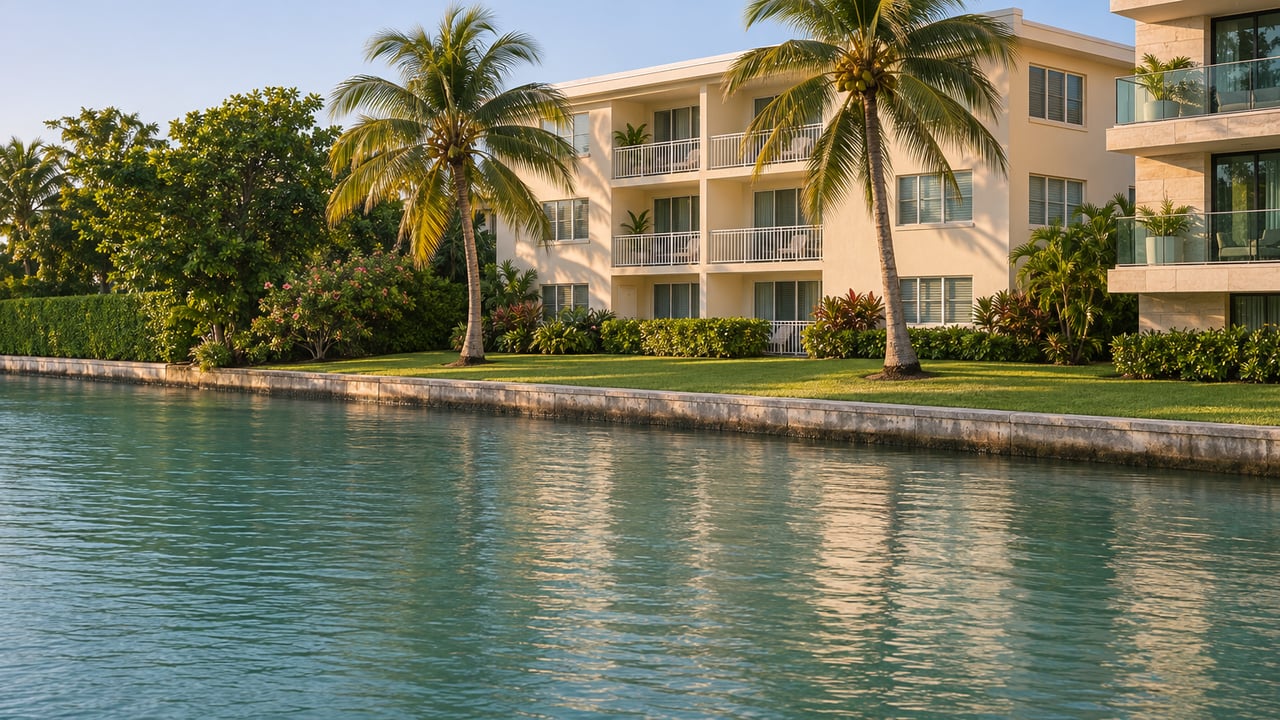
Coral Gables also offers strong waterfront appeal, but the experience is more spread out. The city reports more than 42 miles of scenic shoreline, with waterfront life extending across parks, marinas, and private enclaves. Rather than one central bayfront core, the shoreline is distributed across different settings.
Matheson Hammock Park & Marina is a standout, with 630 acres that include an artificial atoll pool, picnic pavilions, nature trails, a full-service marina, and a sailing and power boat school. The city also points to nearby private marinas such as Snapper Creek, Deering Bay Yacht Club, and Cocoplum Yacht Club. For buyers considering private waterfront lifestyles or a broader shoreline network, Coral Gables presents a different kind of opportunity.
Culture and Daily Rhythm in Coral Gables
Coral Gables has a more promenade-based and institutional cultural environment. The city highlights recurring events such as Gables Gallery Night and Giralda Live, along with public art and cultural programming. Signature destinations include the Coral Gables Museum, Actors’ Playhouse, and the Venetian Pool.
Daily life often centers around Miracle Mile and Giralda Plaza, which serve as key pedestrian corridors for shopping and dining. If you prefer a neighborhood with a polished town-center feel and established civic landmarks, Coral Gables may align more closely with your style.
Home Types: What Buyers Are Comparing
For many buyers, the decision comes down to the kind of residence you want. In Coconut Grove, the housing story is shaped by historic cottages, bungalows, and single-family homes along leafy interior streets. Condo living is also present, especially closer to the marina and village core, with communities such as Grove Towers, Yacht Harbour, Abitare, Grove Isle, Two Park Grove, and Loquat Park Villas listed in the city’s HOA directory.
That means the Grove can appeal to buyers choosing between character-rich houses and waterfront or village-adjacent condominium living. The setting often feels more varied block to block, which is part of its appeal.
Coral Gables has a broader codified range of housing types. The city’s 2020 ACS-based report states that Coral Gables has 21,336 housing units, with 56.3% in single-family detached and attached units and 35.5% in multi-family structures of ten units or more. The city’s comprehensive plan also allows townhouses, patio homes, cluster homes, zero-lot-line homes, duplex dwellings, and broader multi-family categories.
That gives Coral Gables a clearer spectrum of housing choices, from traditional homes to townhouses and larger multi-family options. The same city report shows 64.3% owner occupancy, which supports its reputation as a mature residential market.
How to Decide Which Enclave Fits You
The cleanest comparison is simple. Coconut Grove is older, greener, more eclectic, and more directly bay-facing. Coral Gables is more formal, Mediterranean, and more explicitly planned.
If you are drawn to a leafy village atmosphere, visible waterfront activity, and a more eclectic architectural mix, Coconut Grove may feel like the better fit. If you prefer coordinated design, monumental civic character, and a polished urban framework, Coral Gables may be the stronger match.
For luxury buyers, the right choice often comes down to how you want to live day to day. Do you want your waterfront experience concentrated around a bayfront core, or spread across a wider shoreline network? Do you value architectural variety, or do you prefer a more unified streetscape? Those are the details that turn a market search into the right long-term decision.
Whether you are comparing waterfront homes, luxury condominiums, or a lifestyle-driven move within Miami, informed guidance matters. To explore Coconut Grove, Coral Gables, and other prime Miami neighborhoods with a tailored luxury perspective, connect with Dora Puig.
FAQs
What is the main difference between Coconut Grove and Coral Gables?
- Coconut Grove is generally more eclectic, older, greener, and closely tied to a central bayfront setting, while Coral Gables is more formal, Mediterranean in style, and planned around a coordinated civic design.
What is waterfront living like in Coconut Grove?
- Coconut Grove’s waterfront life centers around Peacock Park, Dinner Key, Kennedy Park, the sailing club, and mooring fields, with Dinner Key Marina and direct bay access helping create a concentrated waterfront atmosphere.
What is waterfront living like in Coral Gables?
- Coral Gables offers a more dispersed shoreline experience, with over 42 miles of scenic shoreline and access to places such as Matheson Hammock Park & Marina and nearby private marinas.
What kinds of homes can you find in Coconut Grove?
- Buyers in Coconut Grove often compare historic cottages, bungalows, and single-family homes on leafy streets with condominium options located closer to the marina and village center.
What kinds of homes can you find in Coral Gables?
- Coral Gables includes single-family homes, townhouses, patio homes, cluster homes, duplex dwellings, and multi-family housing, giving buyers a broad range of residential formats.
Which area feels more walkable for dining and shopping, Coconut Grove or Coral Gables?
- Both offer walkable destinations, but Coconut Grove’s marina, parks, CocoWalk, and retail core feel closely linked in a village pattern, while Coral Gables centers more on promenade-style corridors like Miracle Mile and Giralda Plaza.