Water, sky, and skyline in every direction. If you are drawn to a quiet island address with yacht-friendly waters and quick access to both Miami Beach and Downtown Miami, the Venetian Islands deliver a rare mix of privacy and connection. In this guide, you will get a clear feel for the islands, the types of homes available, the lifestyle on and off the causeway, and the key checks to make before you buy. Let’s dive in.
Venetian Islands at a glance
The Venetian Islands form a short chain of man-made islands in Biscayne Bay between mainland Miami and Miami Beach. Moving west to east, you will hear these names most often: Biscayne Island, San Marco, San Marino, Di Lido, Rivo Alto, and Belle Isle. Nearby, Flagler Monument Island sits uninhabited as a small park. For a quick overview of the chain’s history and layout, see the concise background on the Venetian Islands from Wikipedia.
- Quick orientation: Biscayne Island and San Marco fall under the City of Miami. San Marino, Di Lido, Rivo Alto, and Belle Isle are in the City of Miami Beach. This split matters for permitting, taxes, and services. You will want to confirm the city for any address you consider. Learn more about the islands’ geography and governance.
Access on the Venetian Causeway
The Venetian Causeway links the islands to both shores and acts as the community’s main street. It is a scenic, low-speed route that invites walking, jogging, and cycling, and it frames daily life with water views in nearly every direction. Miami-Dade County has an active multi-year project to replace and raise several bridge spans for safety and resilience, which can affect traffic patterns and noise during construction. If timing matters for your move or renovation, check the county’s latest project updates.
Homes and architecture
You will find a focused collection of property types, each with a distinct lifestyle and carrying profile.
Waterfront estates
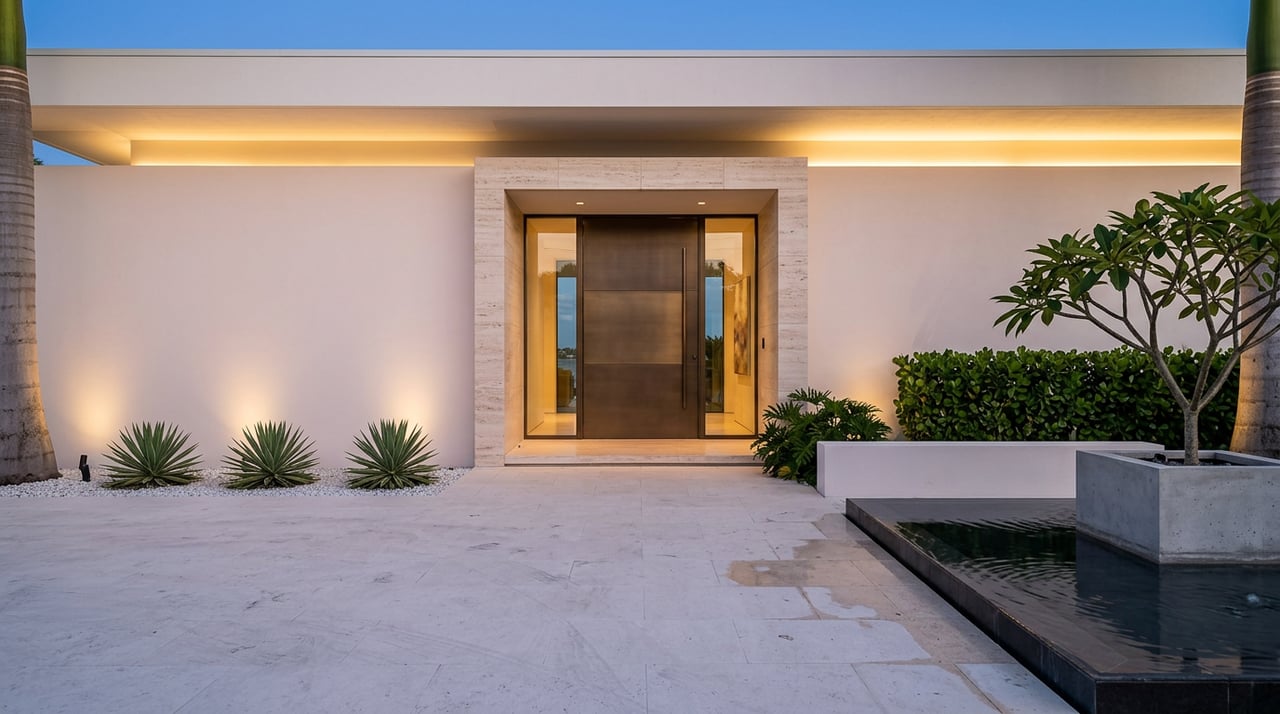
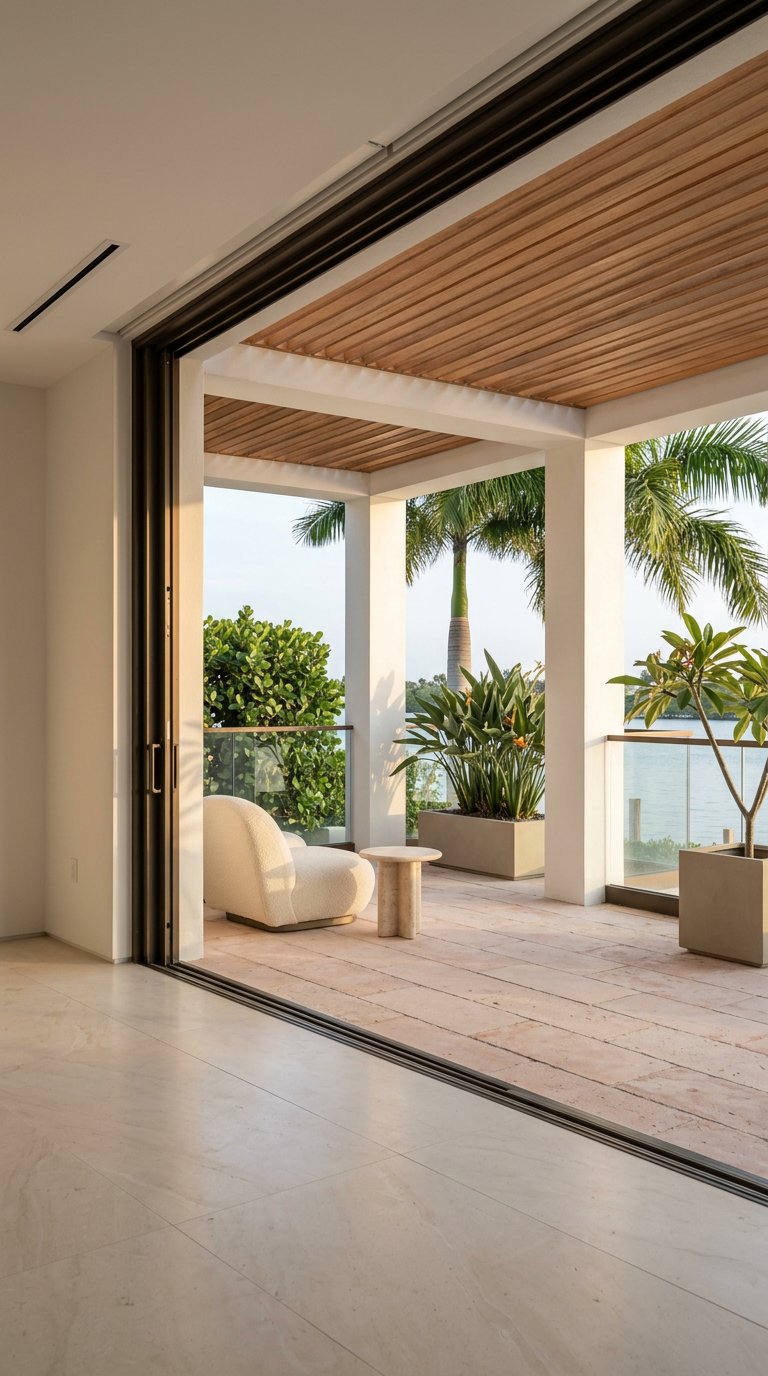
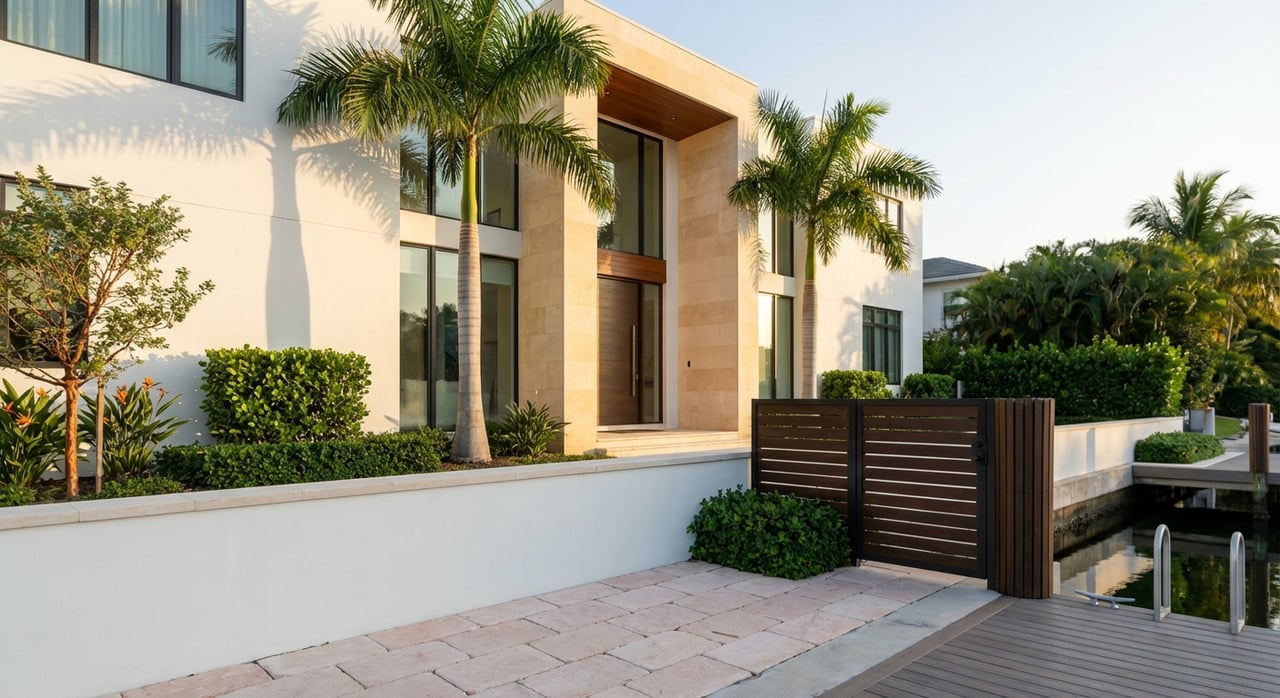
Waterfront parcels on San Marino, Di Lido, and Rivo Alto are the crown jewels. Many lots offer substantial bay frontage, private docks and lifts, and direct access to Biscayne Bay. This is where you see contemporary new builds with large glass openings, elevated main floors, and updated seawalls designed for modern boating. Estate properties commonly include outdoor kitchens, pools, and protected dockage for larger vessels.
Interior lots
Not every home sits on the water. Interior or “dry” lots offer a quieter street stance and a more modest footprint, with quick access to the causeway’s waterfront sidewalks and views. For some buyers, an interior lot is a smart way to access the Venetian lifestyle with a lower acquisition cost than comparable waterfront parcels.
Condo living on Belle Isle
Belle Isle, the easternmost island, hosts several bayfront condominium towers and mid-rise buildings with amenities, parking, and concierge services. Notable addresses include 1000 Venetian Way and Grand Venetian, among others. If you prefer a serviced building with views and a lock-and-leave setup, explore the condo options concentrated on Belle Isle.
Architectural mix
Across the chain, you will see 1920s and 1930s coastal and Mediterranean Revival influences, MiMo and Streamline Moderne details, mid-century homes, and striking contemporary architecture. Newer residences tend to prioritize indoor and outdoor integration, generous water exposure, and secure dockage.
Price spectrum and demand
The Venetian Islands market covers a wide range. You can find smaller condos on Belle Isle and, at the other end, trophy bayfront estates with yacht dockage. Neighborhood snapshots show how broad the pricing spread can be. A recent market report cites a median sold price near the low seven figures, which reflects the full mix of product. That median can mask the multi-million and multi-tens-of-millions tier that waterfront estates command.
Headline transactions underscore the top end’s scarcity and demand. As one example, the Wall Street Journal reported a $46 million Miami Beach waterfront sale that reflects the appetite for prime bayfront property and privacy in this market. See the WSJ coverage of a marquee waterfront sale. For current pricing, you will want live market data and address-specific comps, since waterfrontage, views, and dockage drive significant variance.
Daily life and lifestyle
The Venetian rhythm blends quiet island living with instant access to city energy.
- Boating and waterfront life: Many residents keep boats at home. The location puts you minutes from Biscayne Bay cruising and convenient approaches to ocean inlets. Local marinas and service providers throughout Miami support yacht ownership and maintenance. See how Miami’s marine ecosystem supports boaters.
- Fitness and fresh air: The causeway is a favorite for runners and cyclists due to its slow pace and panoramic views. Mornings and sunsets often bring a steady stream of neighbors enjoying the water.
- Dining and daily needs: The islands are primarily residential with limited retail on-island. Most residents head to nearby Sunset Harbour and South Beach for grocery runs, fitness studios, cafes, and restaurants. That off-island convenience keeps your neighborhood feel quiet without sacrificing access.
- Commute convenience: The islands sit between Downtown Miami and South Beach. In non-peak conditions, many residents report short drives to both urban cores and a reasonable route to Miami International Airport. Always confirm day and time specifics for your schedule.
Smart buyer checklist
Address-level details can materially affect suitability and long-term holding costs. Use this list as a starting point for due diligence.
- Confirm municipal jurisdiction. Biscayne Island and San Marco are in the City of Miami, while San Marino, Di Lido, Rivo Alto, and Belle Isle are in the City of Miami Beach. Rules and services differ, and you will want to align with the correct city for permits and utilities. Review the islands’ city split.
- Model taxes and homestead status. Florida’s homestead exemption applies only to your primary residence and must be in place by January 1 of the tax year. Second homes and investment properties do not qualify, which can increase carrying costs. Confirm current millage rates and run a parcel-level estimate. Start with the Miami-Dade Property Appraiser’s homestead guide.
- Assess flood risk and seawalls. These low-lying coastal islands include parcels within FEMA flood zones. Mortgage financing often requires flood insurance. Pull the property’s FEMA panel, review any elevation certificate, and include a seawall condition assessment. Pair that with long-range scenario planning using NOAA’s sea level rise viewer. Check FEMA flood maps and NOAA’s Sea Level Rise Viewer.
- Verify insurance availability and cost. Florida’s homeowner and flood insurance markets have been volatile, which affects premiums and carrier availability for coastal properties. You should obtain firm quotes early in your process. Read a recent update on market changes and policy transfers.
- Track causeway construction timing. The bridge replacement and resilience program is a multi-year effort that can alter lane configurations and create daytime noise during active phases. If you plan a near-term move or renovation, verify the current construction schedule.
- Confirm dock, lift, and seawall permits. If you plan to keep a boat, validate permitted dock size, water depth, and lift capacity for the parcel. Docks and seawalls require permits, and approvals may involve multiple agencies. Use local marine experts and county resources as a guide.
Who this area fits
The Venetian Islands tend to be a strong match if you prioritize water access, privacy, and quick connectivity.
- You want private dockage and direct bay access for your boat or yacht.
- You prefer a quiet residential setting with easy reach to Sunset Harbour, South Beach, and Downtown.
- You are a second-home or seasonal buyer seeking a turnkey waterfront experience with strong lifestyle appeal.
You may want to explore other neighborhoods if you need a large, walkable retail district on your doorstep or if you are highly sensitive to coastal insurance costs. In that case, you should model total carrying costs before you commit.
Final thoughts
Life on the Venetian Islands centers on the water. Whether you choose a sleek new bayfront estate, a charming interior home, or a serviced condo on Belle Isle, you gain a front-row seat to Miami’s most iconic views while staying minutes from dining, culture, and business. The key is to align the right address with your lifestyle, your yacht needs, and your comfort with taxes, insurance, and flood exposure. A seasoned local advisor can help you weigh tradeoffs and identify value that the broader market might miss.
If you are considering a move on the Venetian Islands, we would love to be your guide to the possibilities. For bespoke, white-glove advisory on Miami’s premier waterfront properties, connect with Dora Puig.
FAQs
Are there stores and restaurants on the Venetian Islands?
- The islands are primarily residential with very limited on-island retail, so most residents head to nearby Sunset Harbour and South Beach for dining, groceries, and services.
Do most homes on the Venetian Islands have docks?
- Many waterfront parcels include private docks and lifts, while interior lots do not; dock size, permitted boat length, and water depth vary by address and permits.
How exposed are the Venetian Islands to flooding?
- The islands are low-lying coastal terrain with many parcels in FEMA flood zones, so site-specific FEMA panels, elevation certificates, and insurance quotes are essential.
Which city governs my Venetian Islands address?
- Biscayne Island and San Marco are in the City of Miami, and San Marino, Di Lido, Rivo Alto, and Belle Isle are in the City of Miami Beach, which affects permitting and taxes.
Are the Venetian Islands a good fit for families?
- Many families live on the islands for the quiet streets and waterfront lifestyle, and school options and tax outcomes depend on your exact address and primary-residence status.