If you only know South Beach from postcards, you are missing the part that matters most when you actually live here. Beyond the oceanfront imagery and high-profile energy, South Beach is a collection of distinct residential pockets with very different rhythms, building styles, and day-to-day experiences. If you are considering a move, a pied-à-terre, or a luxury condo purchase, this guide will help you see South Beach the way a local buyer should. Let’s dive in.
South Beach Is Not One Place
One of the biggest misconceptions about South Beach is that it feels the same from block to block. In reality, the neighborhood includes several micro-areas, each with its own identity, layout, and relationship to the water, parks, and visitor activity.
The most recognizable stretch is the postcard core around Ocean Drive and Lummus Park. This area covers the highly active beachfront corridor from roughly 5th to 15th Streets, where you will find the strongest tourism presence, event activity, and the classic South Beach visual experience.
That is only one version of South Beach, though. The city and local neighborhood association maps show separate resident-oriented areas such as South of Fifth, West Avenue, Sunset Harbour, Flamingo Park, and Flamingo Park West, which is a helpful reminder that buying here is often a micro-location decision, not a broad neighborhood decision.
Micro-Neighborhoods That Change the Experience
South of Fifth Feels More Residential
South of Fifth sits south of Fifth Street down to Government Cut, stretching from the Atlantic Ocean to Biscayne Bay. It is anchored by South Pointe Park and is widely understood as one of the calmer, more residential pockets of South Beach.
If you want South Beach access with a more tucked-away feel, this area often stands apart. You still get the waterfront lifestyle and walkability, but the day-to-day atmosphere tends to feel more local than the core visitor zones.
West Avenue Supports Car-Light Living
West Avenue runs from Collins Canal to Fifth Street, with Biscayne Bay on one side and the west side of Alton Road forming part of its boundary. It is one of the clearest examples of a live-here-not-just-visit-here corridor in South Beach.
The city’s current West Avenue improvements are focused on keeping the area dry, walkable, and bikeable. That matters because it shows how infrastructure and lifestyle intersect in South Beach, especially for buyers who value everyday convenience as much as location.
Sunset Harbour Has a Bayfront Neighborhood Feel
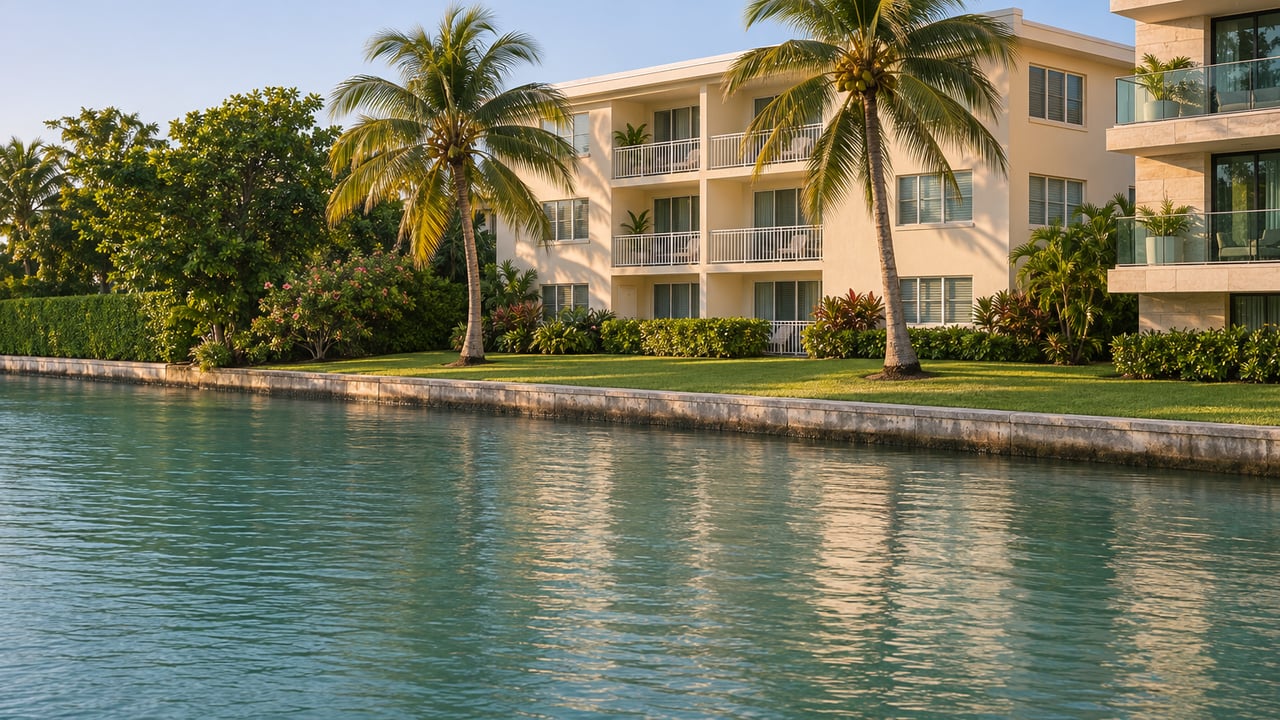
Sunset Harbour sits on the bay side between Alton Road and Biscayne Bay, from Dade Boulevard to Sunset Lake. Compared with the oceanfront core, it reads more like a neighborhood than a resort strip.
For many buyers, that distinction is important. You may still be minutes from the beach, dining, and retail, but the setting can feel more private and more rooted in everyday routines.
Flamingo Park Adds a Park-Centered Option
Flamingo Park and Flamingo Park West are residential zones within South Beach that center more on neighborhood living. Flamingo Park is bounded by Lincoln Road, 5th Street, Washington Avenue, and Alton Road, while Flamingo Park West follows Michigan and Lenox between 12th and 15th Streets.
These areas can appeal to buyers who want a more grounded residential pattern while staying close to the larger South Beach lifestyle. It is another reason broad assumptions about the neighborhood often miss the real story.
Daily Life Is More Practical Than You Think
South Beach has real daily-life infrastructure, not just destination appeal. That makes a difference if you plan to spend meaningful time here rather than treat it as a short-stay market.
One of the strongest lifestyle advantages is walkability. The Beachwalk is a nine-mile oceanfront promenade running from South Pointe Park to 87th Street, open 24 hours a day and connected to parks, beach entrances, and parking areas.
For many residents, this is part of the neighborhood’s everyday value. It supports morning exercise, easy beach access, and a more connected coastal routine that goes far beyond the vacation image.
The South Beach Trolley Helps
The free South Beach trolley makes car-light living much more realistic. It operates daily from 8 a.m. to 11 p.m., typically every 20 minutes, and connects a wide range of practical destinations including grocery stores, pharmacies, parks, museums, restaurants, Lincoln Road Mall, the convention center, and City Hall.
That level of connectivity matters if you are evaluating a condo lifestyle. In the right location, your day can be shaped more by walking, biking, and short trolley rides than by constant driving.
South Pointe Park Anchors Real Neighborhood Life
South Pointe Park is more than a scenic edge to the neighborhood. The city lists beach access, outdoor fitness, restrooms, playgrounds, a bark park, and programs for children and families.
Those features help explain why the southern end of South Beach can feel genuinely lived in. For buyers, that kind of park access adds a layer of daily usability that is hard to capture in listing photos alone.
South Beach Has Culture Beyond Nightlife
South Beach is often reduced to restaurants and late-night energy, but that is only part of the experience. The city’s tourism and destination materials highlight Lincoln Road, The Bass, the Jewish Museum of Florida-FIU, Lummus Park, and South Pointe Park as key parts of the area.
For residents, this cultural and retail layer creates variety in how you spend your time. You can have a morning on the Beachwalk, an afternoon in a museum or along Lincoln Road, and dinner close to home without leaving the neighborhood.
This is one reason South Beach continues to attract both full-time owners and second-home buyers. It offers a lifestyle that can feel active, urban, coastal, and convenient all at once, depending on where you buy.
Housing Stock Reflects Preservation and Luxury
South Beach’s housing mix is shaped by both historic preservation and luxury development. Miami Beach states that it has the world’s largest collection of Art Deco structures, and that the Miami Beach Architectural District became the nation’s first urban 20th-century historic district listed on the National Register of Historic Places.
The city also notes that its historic districts include more than 2,600 buildings, with about 70% classified as contributing or historic. That preservation framework helps explain why South Beach still offers so many low-rise and mid-rise properties with architectural character.
Vintage Buildings and Modern Towers Coexist
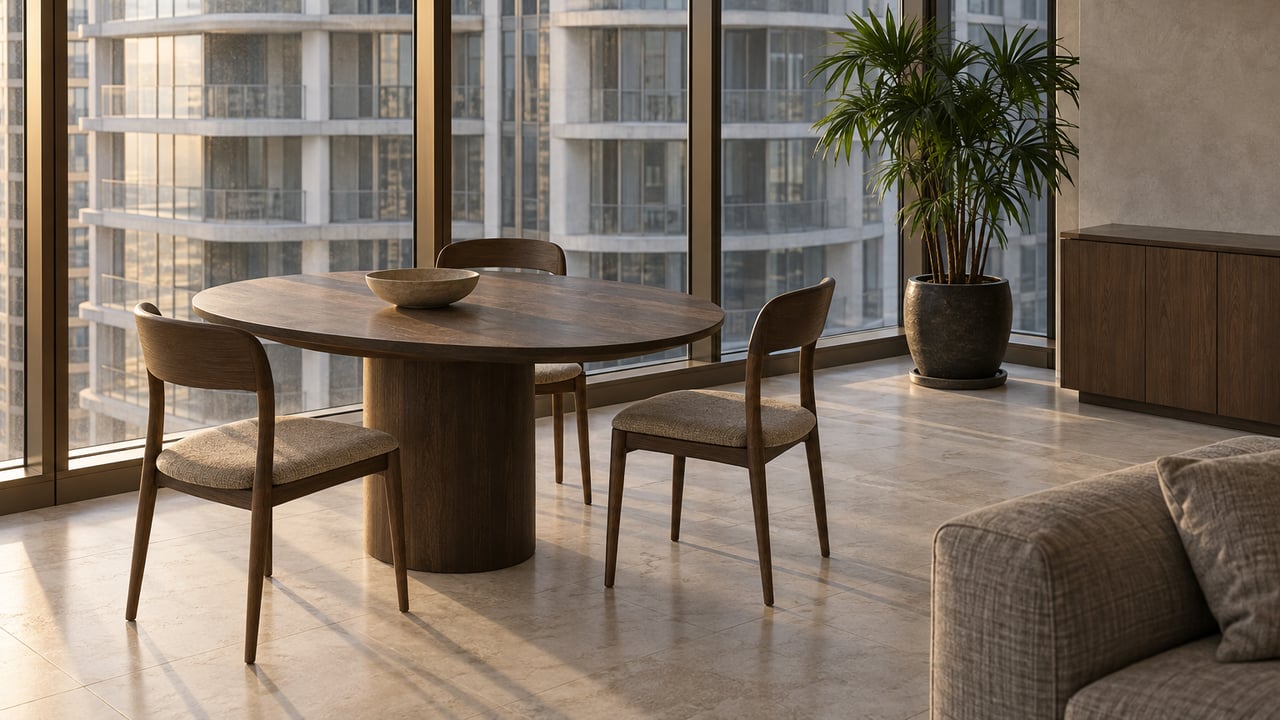
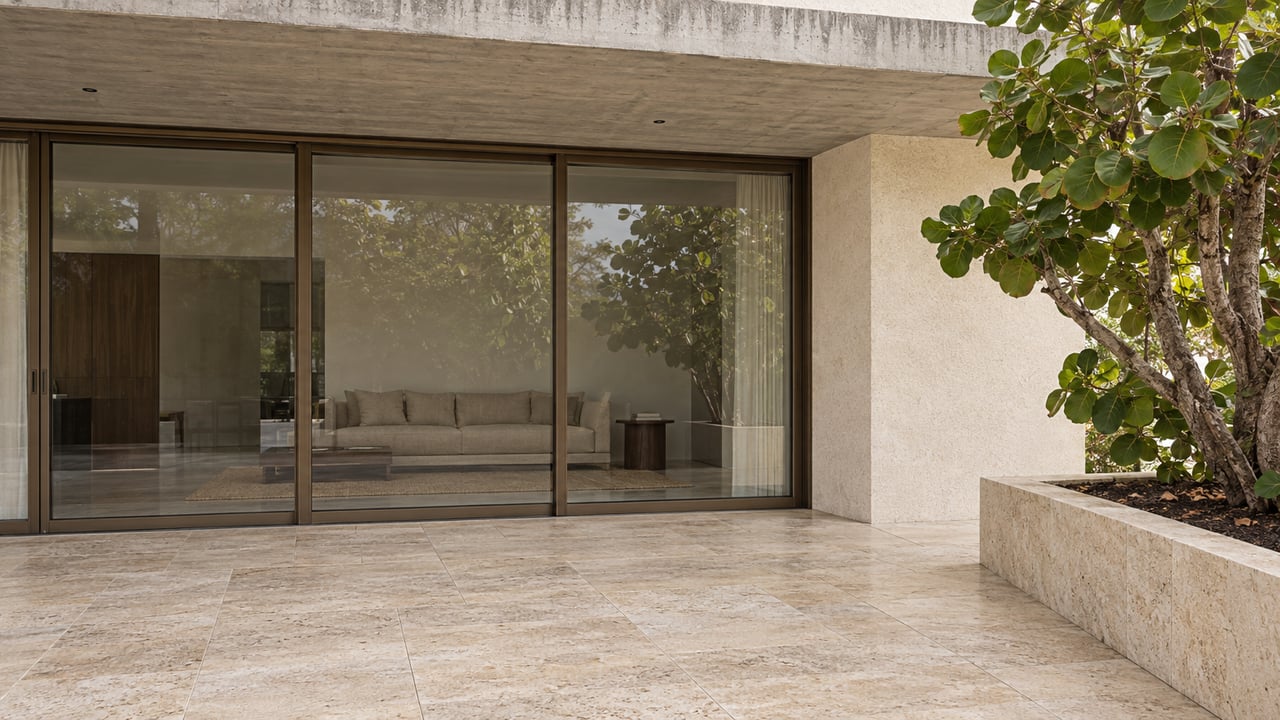
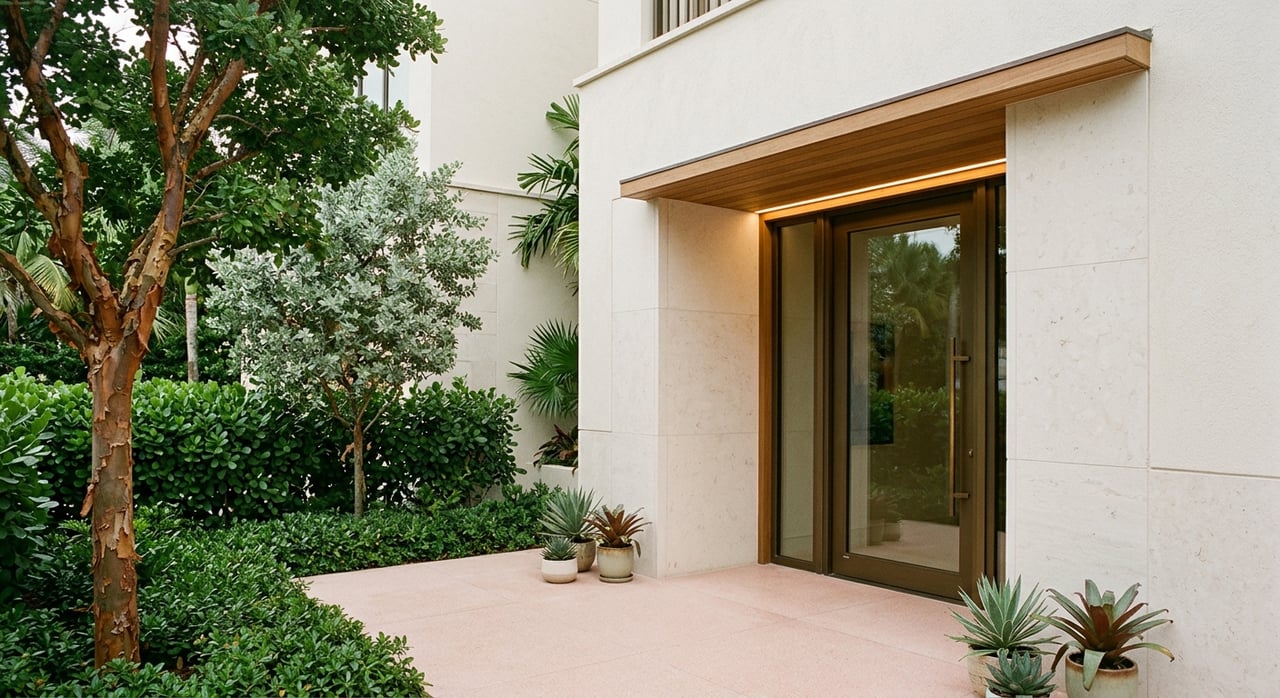
If you are buying in South Beach, you will likely notice that character and luxury are often found in different micro-locations. Art Deco and Flamingo Park areas tend to show more vintage fabric, while bay-side and southern pockets more often include newer condo towers and penthouse inventory.
That variety is part of South Beach’s appeal. You can prioritize historic design and smaller-scale buildings, or target full-service luxury with views, amenities, and newer construction depending on your goals.
Market Context Matters for Buyers
South Beach sits within a Miami Beach market that remains highly lifestyle-driven and second-home oriented. MIAMI REALTORS® reported that Miami Beach ranked as the No. 2 largest vacation-home market in the United States, with 13,817 vacation homes representing 22% of housing stock.
The same report stated that Miami Beach recorded $3.4 billion in sales volume in 2025 and a median condo and townhome price of $500,000, up 7.5%. That broad market context helps explain why South Beach can feel residential and seasonal at the same time.
At the luxury end, MIAMI REALTORS® reported Miami-Dade’s condo luxury threshold at $3.0 million and its ultra-luxury threshold at $7.7 million in 2025. For buyers exploring premier South Beach inventory, that reinforces the wide range of price points and product types within the same broader area.
Practical Realities to Evaluate Before You Buy
South Beach can be an exceptional lifestyle purchase, but it rewards informed decision-making. The strongest buying strategy here is not just finding a beautiful property. It is understanding how the building, the block, and the micro-neighborhood align with your priorities.
Flood Risk Is Part of Ownership
Miami Beach notes that the city’s low elevation near sea level can create drainage challenges and flooding from heavy rainfall, high tides, and storm surge. This is not a minor footnote for buyers. It is part of the ownership equation.
West Avenue offers a clear case study. The city has said that parts of the corridor are prone to flooding during major weather events and king tides, which is why current improvements include road elevation, stormwater upgrades, wider sidewalks, buffered bike lanes, and a new Baywalk section.
Condo Diligence Is Essential
If you are buying in a condominium, building review matters. Miami Beach states that commercial and multifamily buildings built on or after 1993 must undergo recertification at 30 years and every 10 years after that.
The city also notes that Florida law requires milestone inspections for many buildings that are three stories or more at 30 years and every 10 years after, along with structural integrity reserve studies for many associations. For buyers, that means budgets, reserves, inspection history, and potential assessments should be part of the conversation early.
How to Think About the Right Fit
South Beach is often best for buyers who want walkability, beach and park access, cultural variety, and an urban coastal setting. The tradeoffs can include seasonal traffic, visitor density in certain areas, flood-related considerations, and the realities of condo governance.
That does not make the neighborhood less appealing. It simply means the best outcomes come from matching your lifestyle to the right micro-location and building type.
If you want high energy and iconic frontage, the Ocean Drive and Lummus Park area may fit. If you want a more residential tone, South of Fifth, West Avenue, Sunset Harbour, or Flamingo Park may align more closely with how you plan to live.
In a market as layered as South Beach, precision matters. If you are weighing condo options, evaluating a second home, or narrowing in on a specific pocket of the neighborhood, working with an advisor who understands both luxury product and block-by-block context can make the process far more efficient. To start that conversation, connect with Dora Puig.
FAQs
What does living in South Beach actually feel like day to day?
- Living in South Beach can feel very different depending on the micro-neighborhood. Ocean Drive and Lummus Park are the most visitor-heavy areas, while South of Fifth, West Avenue, Sunset Harbour, and Flamingo Park generally feel more residential.
What transportation options are available in South Beach for residents?
- South Beach offers strong walkability, the nine-mile Beachwalk, and a free trolley that runs daily from 8 a.m. to 11 p.m. and connects parks, grocery stores, pharmacies, museums, Lincoln Road, and other everyday destinations.
What types of homes can you find in South Beach?
- South Beach includes a mix of preserved Art Deco buildings, low-rise and mid-rise residences, newer condo towers, and penthouse inventory. The housing style often depends on the specific micro-location.
What should condo buyers review before buying in South Beach?
- Condo buyers should carefully review building recertification timelines, milestone inspections, reserve studies, association budgets, and the potential for assessments, especially in older or larger buildings.
What flood considerations should buyers know in South Beach?
- Miami Beach states that low elevation near sea level can create flooding and drainage challenges from heavy rain, high tides, and storm surge, so buyers should evaluate flood-related conditions and infrastructure in the specific area they are considering.
Why do buyers need micro-neighborhood guidance in South Beach?
- South Beach is not one uniform neighborhood. Buyer experience can change significantly by block, building type, park access, and distance from visitor-heavy corridors, so micro-location guidance helps you choose a better long-term fit.