Which city do you actually live in when you buy on the Venetian Islands?
It sounds like a strange question for a chain of six bridges strung along one causeway between Downtown Miami and South Beach. The marketing language treats it as a single address. The MLS treats it as a single neighborhood. But drive west to east across the Venetian Causeway and you cross a real municipal border twice: once when you leave the City of Miami, and once when Miami Beach picks up where Miami left off. Biscayne Island and San Marco Island answer to Miami City Hall. San Marino Island, Di Lido Island, Rivo Alto Island, and Belle Isle answer to Miami Beach. Same causeway, same bay, same six-island chain, two different governments setting two different tax rates, two different code enforcement desks, and two different sets of rules for what you can do with the property once you own it.
That split rarely shows up in a listing sheet. It shows up on the first tax bill.
Two City Halls, One Causeway
The jurisdictional line runs right through the middle of the chain, west to east:
| Island | City |
|---|---|
| Biscayne Island | City of Miami |
| San Marco Island | City of Miami |
| San Marino Island | City of Miami Beach |
| Di Lido Island | City of Miami Beach |
| Rivo Alto Island | City of Miami Beach |
| Belle Isle | City of Miami Beach |
This isn't a quirk of history that's since been cleaned up. Miami-Dade County still administers the toll plaza on Biscayne Island as the westernmost gateway to the causeway, and the two cities still run their own budgets, their own building departments, and their own tax rolls for the parcels on either side of that line. A buyer comparing a lot on Rivo Alto to one on San Marco isn't just comparing frontage and square footage. They're comparing two different regulatory environments wearing the same neighborhood name.
What the Line Actually Costs You
Every parcel in Miami-Dade pays the same county millage, the same school board levy, and the same countywide special district charges no matter which side of the causeway it sits on. What changes is the municipal layer, the portion each city sets for itself.
According to the City of Miami's adopted budget, the City of Miami's combined municipal rate (general operating plus debt service) works out to roughly 7.39 mills. Miami Beach, in the budget its commission adopted for fiscal 2026, landed at a combined municipal rate closer to 6.13 mills after trimming its general operating millage slightly and holding debt service flat, according to Citizen Portal. That's a gap of about 1.25 mills between the two sides of the same island chain.
On a parcel with $1 million in taxable value, that gap works out to roughly $1,250 a year in municipal tax alone, before you factor in anything else. Scale that to the eight-figure lots that trade on the prestige end of this chain and the annual difference stops being a rounding error. It's a number a buyer should ask for by folio, not estimate from a neighborhood average, because the county's own tax estimator will tell you exactly which side of the line a specific parcel falls on and what that means for the bill.
The Petition That Fell Seven Points Short
This isn't a theoretical grievance. Residents of Biscayne Island and San Marco Island tried to do something about it. In 2018, homeowners on the two Miami-side islands circulated a petition to annex out of the City of Miami and into Miami Beach, according to reporting by The Real Deal. Residents Diana Fontani and Mario Reyes told the Miami Herald at the time that lower property taxes were one of the main draws, alongside faster code enforcement on blighted vacant lots. The petition needed signatures from 20 percent of the roughly 370 households on the two islands before Miami-Dade County would even consider it. It reached 13 percent.
Nothing in the years since suggests that effort crossed its own threshold. The two islands remain in the City of Miami today, which means the tax gap that motivated the petition in the first place is still the tax gap a buyer inherits now.
Why San Marco Breaks the Simple Story
Here's where the obvious economic story falls apart. If lower municipal taxes were the deciding factor in island prestige, San Marco Island, sitting on the higher-tax Miami side, should trade at a discount to its Miami Beach neighbors. It doesn't. San Marco and San Marino are consistently described by people who track this market closely as the two most prestigious islands in the chain, commanding some of the widest lots, the strongest open-bay exposure, and premium sales that can clear $20 million for the best-positioned parcels.
The tax line is real. It's just not the variable doing the heavy lifting on price. Lot width, unobstructed bay frontage, and dock capacity override a 1.25-mill gap almost every time. Rivo Alto, at the western end of the Miami Beach side, trades at the lower end of the chain not because its tax rate is favorable but because its lots and exposure are more modest to begin with. Di Lido sits in the middle, has seen the most visible teardown-and-rebuild activity in recent years, and prices accordingly. The tax jurisdiction tells you something true about your carrying cost. It tells you almost nothing about what the house next to you is worth.
The Median Everyone's Quoting Is Mostly Noise
There's a second reason a buyer shouldn't lean too hard on any single headline number for this neighborhood: the sample size is small enough that one quarter's closings can swing the reported figure wildly.
A rolling twelve-month tally of MLS activity across the full six-island chain, current as of February 2026, showed 65 closed sales, an average asking price of roughly $3.12 million, an average selling price of roughly $2.77 million, an 89 percent list-to-sell ratio, a price near $1,380 per square foot, and an average of 169 days on market. Sixty-five sales across six islands over twelve months is a little more than ten closings per island per year. That's not a deep enough pool to smooth out a few outsized transactions.
Which is exactly what shows up a few months later. A separate national portal reported a median sale price near $3.1 million for the chain as of June 2026, alongside a year-over-year change of more than 200 percent. That kind of swing doesn't mean the market tripled. It means a handful of high-value or unusually low-value closings moved a thin dataset by a wide margin. A buyer who anchors an offer to a headline median for "Venetian Islands" is anchoring to noise. The useful number is the closed comp for the specific island, ideally the specific block, not the chain-wide average.
What This Means If You're Comparing the Six Islands
Three things worth doing before you write an offer on this chain. First, confirm which city the parcel sits in and pull the folio-specific tax estimate from the county, rather than assuming the whole chain pays one rate. Second, ask for closed comps sorted by island, not by neighborhood, given how few transactions each island produces in a given year. Third, remember that the same municipal line that sets the tax rate also sets the rules for what you can do with the property. Miami Beach heavily restricts short-term and vacation rentals on single-family homes across its four islands in the chain, so anyone counting on rental income as part of the math needs to know which side of the causeway they're buying into before, not after, closing.
One thing simplifies all of this: there's no private layer of homeowners association rules stacked on top of either city's regulations. Whichever side of the line your parcel sits on, you're dealing directly with that city's zoning and building department, not an additional HOA board. That's a smaller number of parties to satisfy, even if it's not a smaller number of jurisdictions to understand.
Quick Answers
Is there a homeowners association on the Venetian Islands? No. None of the six islands is governed by a private HOA. Zoning, building permits, and municipal services come directly from whichever city, Miami or Miami Beach, the parcel sits in.
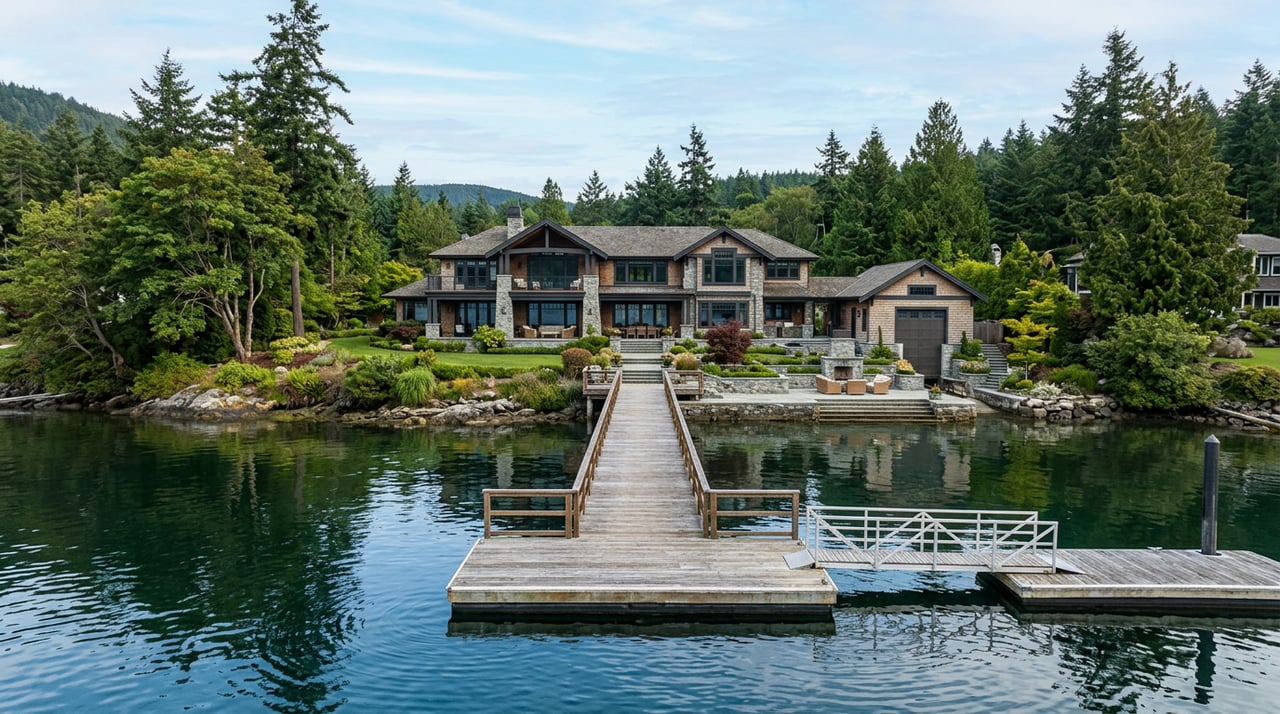
Can I keep a real boat behind the house? On most waterfront lots, yes, but how big a boat depends on the specific lot: dock length, seawall condition, water draft, and the air draft under the causeway's low bascule bridges all factor in. This is a per-property question, not a chain-wide answer.
Did the 2018 annexation petition ever succeed? No. It needed signatures from 20 percent of households on Biscayne and San Marco islands and reached 13 percent. There's no indication it advanced further, so both islands remain in the City of Miami.
If you're weighing a lot on one side of the Venetian Causeway against one on the other, the folio number matters as much as the flood elevation certificate. Dora Puig tracks closed comps island by island across this chain, along with which parcels sit under which city's tax roll, so you're comparing real numbers before you compare view lines. Let's Connect.
This article is general information, not legal, tax or financial advice. Consult a qualified professional about your situation.