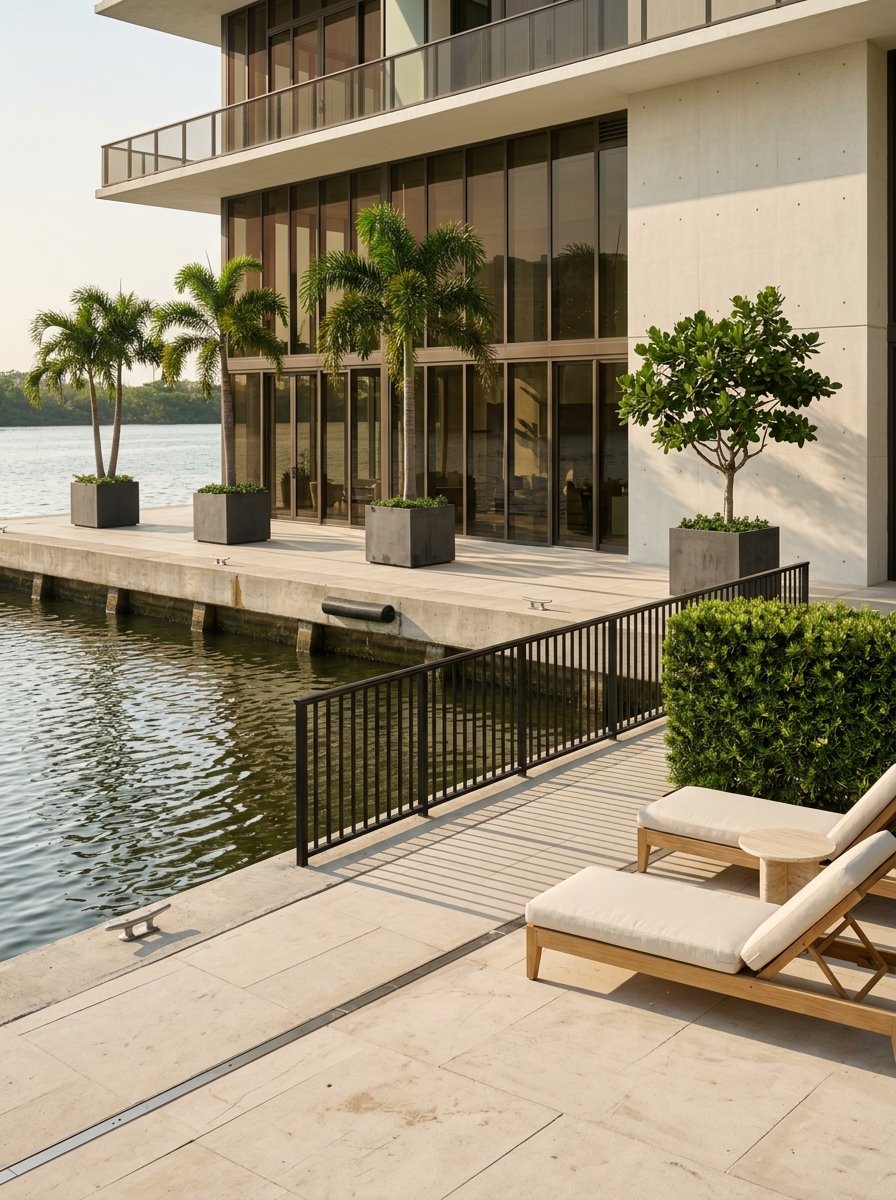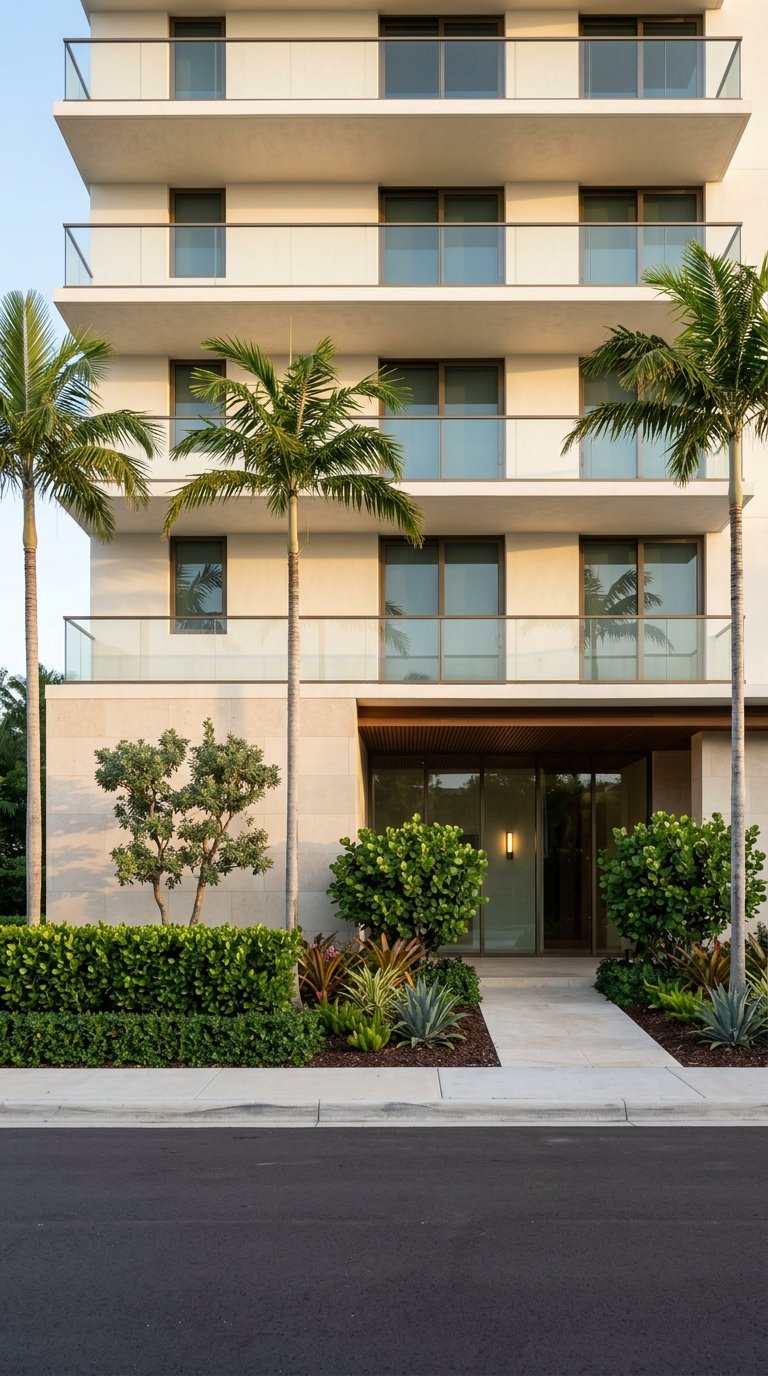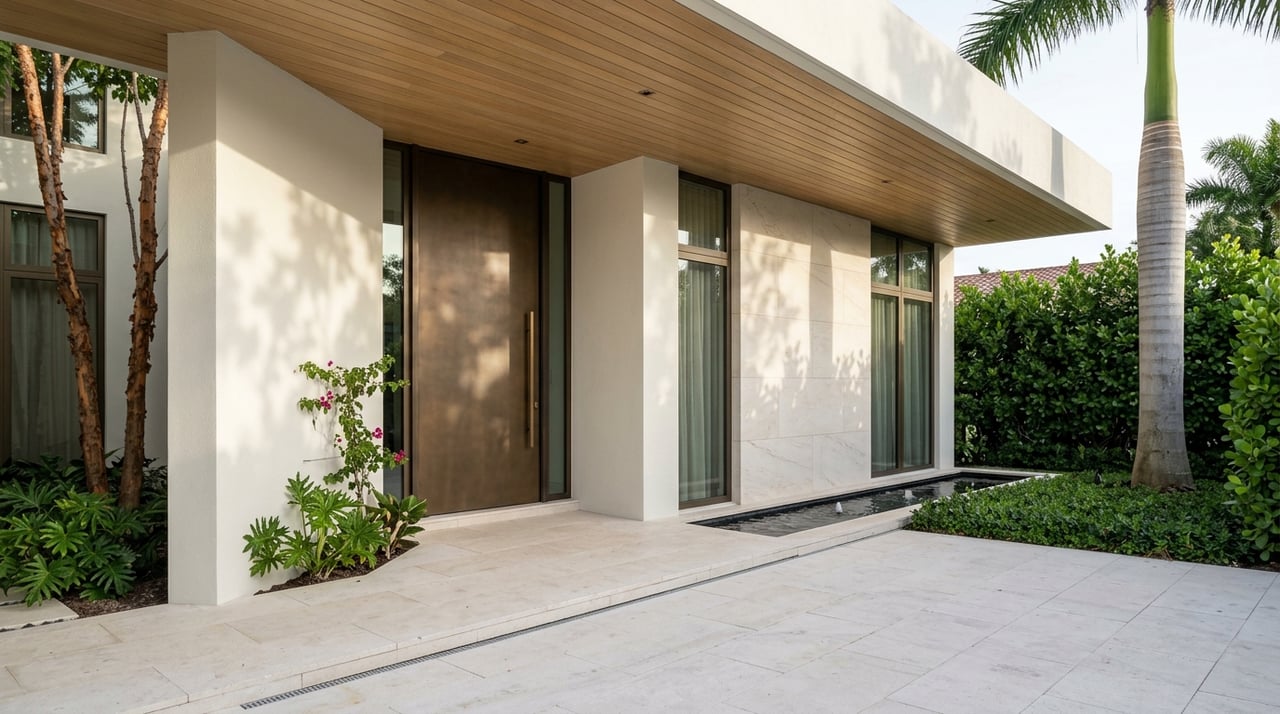
Buying on Indian Creek is not like buying in a typical luxury neighborhood. You are looking at one of the most tightly held residential enclaves in Miami-Dade, where inventory is exceptionally scarce, access is controlled, and each property decision carries outsized importance. If you are considering an estate here, it helps to understand how the island functions before you begin your search. Let’s dive in.
Indian Creek Is a Municipality
Indian Creek is best understood as a private residential municipality, not a standard neighborhood. According to the Village’s comprehensive plan, it spans 293.90 acres and includes Indian Creek Island, the Village Hall complex, and a parcel owned by the country club.
That distinction matters because the island is governed with its own rules, systems, and long-term land use limits. The same plan states there is no commercial, industrial, or multifamily development within the Village, and there is no room to expand its boundaries.
Scarcity Shapes Everything
If you are buying here, scarcity is the first reality to understand. The Village plan says the developed component includes 29 waterfront residential estates, and only 41 single-family primary dwelling units are permitted.
A July 1, 2026 Miami-Dade Property Appraiser report lists 29 residential parcels in Indian Creek. In practical terms, that means very few properties exist, and even fewer come to market in any given year.
This level of scarcity affects pricing, timing, and negotiation. You are not comparing dozens of similar listings. You are often weighing rare opportunities where lot quality, water frontage, privacy, and long-term rebuild potential matter as much as the existing home.
Privacy and Access Work Differently Here
One of the defining features of Indian Creek is how access is managed. The Village comprehensive plan states that the Indian Creek Bridge is owned and maintained by the Village, is not a dedicated public right-of-way, and connects to a 1.6-mile private two-lane roadway.
The Village also states that traffic ingress to the island is continuously monitored. For buyers who value privacy and controlled access, that is a meaningful difference from other waterfront areas in Miami.
Indian Creek also maintains its own local infrastructure for public safety and compliance. The official Village website includes dedicated functions for police, code enforcement, building permits, water utility, and public records.
Expect a Discreet Buying Process
Indian Creek often trades with a level of discretion that is unusual even by luxury-market standards. Public reporting has described major listings with nine-figure asking prices, as well as off-market transactions that closed with little public visibility.
For you, that usually means the buying process may be more relationship-driven than listing-driven. Public market cues can be limited, and opportunities may surface through private channels rather than through a typical high-volume listing cycle.
That is one reason experienced representation matters in a market this thin. When inventory is measured in single digits and recent comparable sales are limited, strategy becomes highly property-specific.
Waterfront Comes With Real Diligence
Every residential lot on Indian Creek has water frontage, according to the Village plan. The island is surrounded by shallow waters, and its shoreline and seawall conditions are closely tied to drainage and flood management issues.
The same plan states that no part of the Village lies within the designated Coastal High Hazard Area. Still, the island includes Flood Zones X, X-500, and AE, so flood insurance and flood-risk review remain important parts of the buying process.
Before you move forward on an estate, you will want a close review of the site itself. On Indian Creek, physical diligence is not just about finishes and floor plans. It is also about elevation, shoreline conditions, drainage performance, and the history of improvements to the property.
Building Rules Are a Major Buying Factor
If your plan involves renovating, expanding, or rebuilding, local regulations should be part of your early evaluation. The Village states that it regulates housing to ensure high-quality construction and an aesthetically attractive environment, and that homes must conform to its land development regulations, codes, ordinances, and single-family theme.
The Village plan also says new construction, reconstruction, and substantial alterations must be reviewed and approved. That means a property’s future potential should be studied just as carefully as its current design.
This is especially important if you are buying primarily for the lot. A striking address and generous waterfrontage do not automatically mean every design vision will be achievable without constraints.
Resilience Standards Matter
Indian Creek’s rules reflect the realities of waterfront ownership. The Village plan states that housing should use hurricane safety standards, comply with the Florida Building Code, and maintain a minimum of 55% pervious surface.
It also states that no new habitable building should be permitted with an occupiable floor elevation below 9 feet NGVD 1929. In addition, the Village includes standards tied to drainage, native trees, and exotic plant control.
For buyers, these are not minor technical details. They can influence design timelines, site planning, landscape decisions, construction budgets, and long-term maintenance considerations.
Utilities Are More Local Than You Might Expect
Indian Creek’s utility profile is another area where buyers should pay close attention. According to the Village comprehensive plan, sanitary sewer service is provided by septic tanks, potable water is supplied through bulk water purchased from the Miami-Dade Water and Sewer Department, drainage is maintained by the Village, and solid waste is handled by a private vendor.
That means your diligence should include more than a standard home inspection. Septic condition, drainage performance, prior permits, and any site-specific utility issues deserve focused review before you finalize pricing or move toward closing.
For a high-value waterfront estate, these systems are part of the asset. They can affect both near-term usability and long-term stewardship of the property.
Country Club Access Is Separate
The Indian Creek lifestyle is closely tied to the members-only Indian Creek Country Club, which serves as the island’s golf and club centerpiece. The club describes itself as a family-oriented social and recreational club, reinforcing that lifestyle here is about more than the residence alone.
Still, you should not assume that buying a home automatically includes membership. Public reporting has repeatedly described club membership as separate from property ownership.
That makes club access its own diligence track. If club use is important to you, confirm the current membership process, sponsorship expectations, and approval path directly through the appropriate channels before you finalize your plans.
This Is Not a Marina Market
Because every homesite is waterfront, some buyers assume Indian Creek functions like a marina-centered community. In reality, it is better understood as a private waterfront and golf-club environment.
The Village plan describes bulkheaded shoreline and water frontage across the residential lots, which suggests that boating utility is primarily parcel-specific rather than organized around public marina-style amenities. If boating is central to your lifestyle, the specific site conditions of an estate should be evaluated carefully.
Sales Data Is Extremely Thin
One of the biggest challenges in Indian Creek is that market data can be sparse. Miami Realtors’ 2025 annual single-family report lists Indian Creek Village with 0 closed sales, and the Q4 2025 report shows 1 new listing and no sales.
Earlier 2025 quarterly reports also showed no closed sales, and Q2 2025 showed 0 active inventory. That is an unusually illiquid market, even at the top end of luxury real estate.
For you, this means standard valuation shortcuts may not be enough. Negotiations are more likely to revolve around water frontage, views, privacy, lot placement, rebuildability, existing improvements, and access considerations than around a simple price-per-square-foot comparison.
What Smart Buyers Review Early
When you are evaluating an estate on Indian Creek, it helps to separate the process into a few clear diligence tracks:
- Property scarcity: Understand how few estates exist and how rarely they trade.
- Access and privacy: Review how the bridge, roadway, and Village systems affect the ownership experience.
- Physical conditions: Study flood zones, drainage, seawall conditions, elevation, and septic infrastructure.
- Permitting and design: Confirm what can be renovated, expanded, or rebuilt under Village rules.
- Lifestyle fit: Verify country club access separately if it matters to you.
- Valuation strategy: Use a property-specific lens rather than relying on broad market averages.
In a market this rare, the goal is not just to secure an address. It is to understand exactly what you are buying, how the asset will function over time, and how it fits your priorities.
Buying an estate on Indian Creek can be an extraordinary move, but it rewards careful preparation. If you want informed guidance on ultra-luxury waterfront opportunities in Miami and the Beaches, connect with Dora Puig.
FAQs
Does buying a home on Indian Creek include country club membership?
- No. Public reporting indicates club membership is separate from property ownership, so you should verify the current process independently.
Why is Indian Creek so private compared with other waterfront areas?
- The Village states that the bridge is village-owned, not a dedicated public right-of-way, and that traffic ingress is continuously monitored.
How many residential properties are on Indian Creek?
- The Village comprehensive plan describes 29 waterfront residential estates and permits up to 41 single-family primary dwelling units, while a July 1, 2026 county appraiser report lists 29 residential parcels.
What should buyers review before purchasing an Indian Creek estate?
- Focus on flood zones, drainage, seawall and shoreline conditions, elevation, septic systems, permit history, and any limits on future renovation or redevelopment.
Is Indian Creek part of a typical Miami Beach neighborhood?
- No. Indian Creek is a self-governed residential municipality in northeastern Miami-Dade County with its own land-use framework and local administrative functions.
How active is the Indian Creek sales market?
- Recent Miami Realtors reports show extremely limited activity, including no closed sales in 2025 and very little active inventory, which reflects a highly illiquid market.