If you have been watching Miami’s waterfront market, the Miami River is hard to ignore. This corridor sits in a rare position between Downtown and Brickell, yet it still operates as a working river, which gives it a very different feel from more established condo districts. For buyers looking for water views, urban access, and future upside, the story here is not about a finished neighborhood. It is about a waterfront area in transition. Let’s dive in.
Miami River offers a different waterfront story
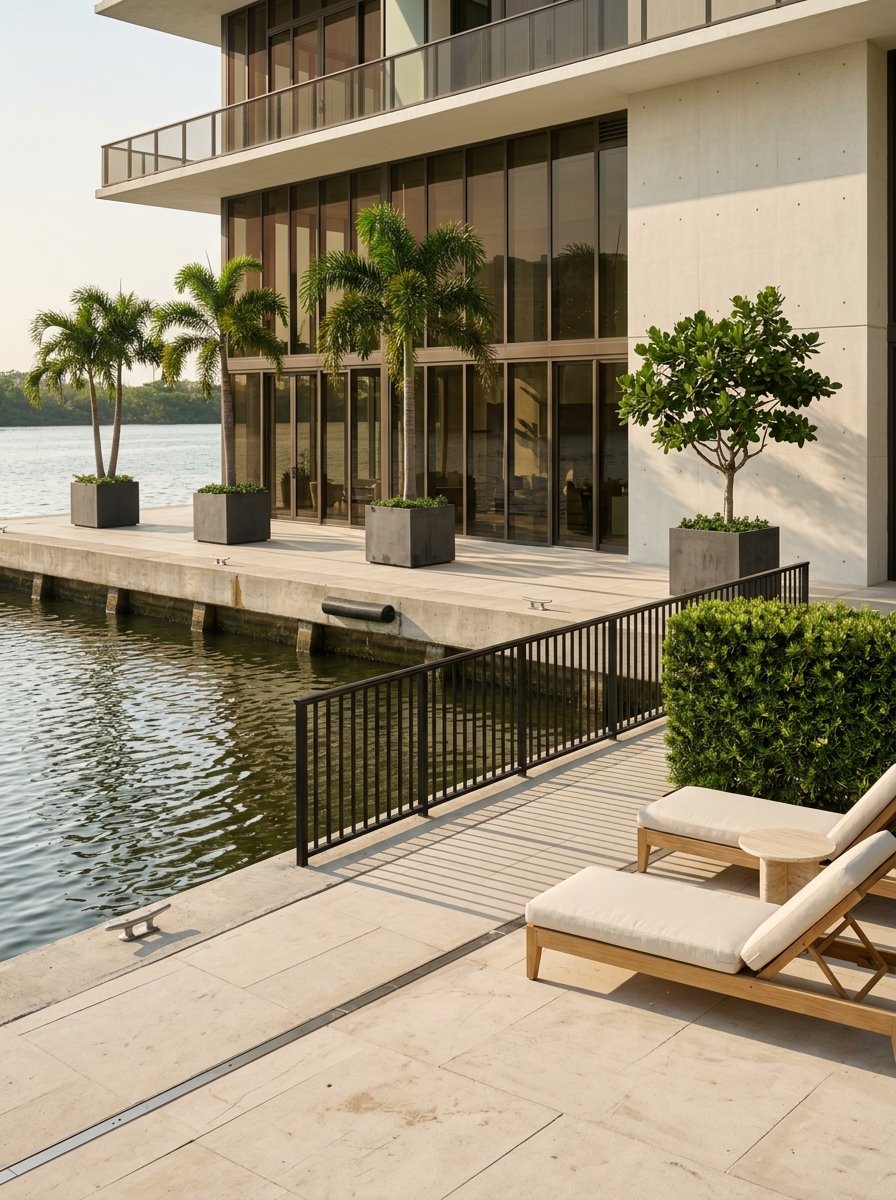
For many condo buyers, Miami River stands out because it blends location, movement, and change. The river connects you to the core of the city while offering a waterfront setting that feels distinct from the bayfront towers most buyers already know.
The Miami Downtown Development Authority’s 2025 Downtown Miami Master Plan focuses on connecting Downtown, Brickell, the waterfront, and nearby districts through a more walkable and transit-oriented public realm. That matters because the Miami River is part of a larger urban connectivity plan, not just an isolated pocket of new buildings.
This is also where mobility adds to the appeal. County and downtown planning efforts point to Riverwalk and Baywalk completion, pedestrian-oriented streets, transit access, and even waterborne transportation routes tied to Downtown and nearby destinations.
Location is a major draw
One of the strongest reasons buyers are paying attention is simple: proximity. The Miami River sits close to Brickell and Downtown, which means you can access offices, dining, entertainment, and major city infrastructure without giving up a waterfront backdrop.
The Underline begins at the Miami River in Brickell, reinforcing the area’s connection to one of Miami’s most visible public-space and mobility projects. When you combine that with planned Riverwalk improvements and water taxi activity discussed in local planning materials, the river becomes easier to frame as a connected urban waterfront.
For buyers who want a condo that feels plugged into the city, this location checks an important box. You are not just buying a view. You are buying into access.
The river is still a working waterfront
This point is important, especially if you are comparing the Miami River to more polished waterfront districts. The Miami River Commission’s 2026 map still shows active marinas, boatyards, shipping terminals, towing services, and marine businesses along the corridor.
That working character is part of what makes the river interesting, but it also shapes the ownership experience. You may see more vessel traffic, more industrial adjacency in certain stretches, and a streetscape that can change quickly from residential to commercial.
For some buyers, that mix adds authenticity and energy. For others, it means due diligence matters more because the river is not uniform from block to block.
Public investment is shaping the riverfront
What is pulling more buyers into the conversation is the steady push toward a more usable public waterfront. Local planning documents show ongoing attention to Riverwalk and Greenway improvements, pedestrian access, lighting, and waterfront standards that support long-term resilience.
The city’s waterfront framework includes the long-standing Dan Paul requirement for a 50-foot setback and a 25-foot public promenade along the river. In practical terms, that supports a riverfront experience that is meant to be more open and connected over time.
The Miami River Commission’s 2024 annual report also highlighted continued revitalization through new Miami River Greenway sections, planned park improvements, and expanded riverfront activity. These public realm upgrades matter because they can influence how the area feels day to day, not just how it looks in a brochure.
Lifestyle momentum is building
Miami River is no longer just a pass-through corridor. New hospitality and dining openings have added a more lifestyle-driven layer that is helping the area gain visibility with buyers.
Casa Neos debuted as a 30,000-square-foot riverfront project with a restaurant, boutique hotel, rooftop lounge, and members-only beach club concept. Other riverfront dining and nightlife venues, including Elia, Habibi, and Bagatelle, added to the area’s profile in 2024 and 2025.
The Downtown Development Authority has also supported activation along the Baywalk and Riverwalk with events such as kayaking, paddleboarding, live music, food festivals, and educational water-quality tours. That kind of programming helps buyers picture how the waterfront may function as part of daily life, not just as a backdrop.
New projects are driving buyer attention
A big reason Miami River is on the radar is the development pipeline. Buyers often start paying closer attention when they see a corridor moving from scattered interest to a more defined wave of projects.
Riverside Wharf broke ground on December 4, 2025. Reports describe a $350 million project planned to include a 167-room hotel, a 30,000-square-foot nightclub, a rooftop pool, a day club, restaurants, and a new marina, with completion expected around 2028.
Gallery Riverwalk at 1175 NW South River Drive also advanced through Miami-Dade approvals in 2025 and 2026. County filings describe it as a mixed-income rental project with affordable, workforce, and market-rate apartments, along with riverwalk and neighborhood retail improvements.
At the luxury end of the conversation, Baccarat Residences Miami is positioned above the Miami River and Biscayne Bay. The Miami River Commission also cited Baccarat, One Brickell Riverside, Aston Martin Residences, and riverfront restaurants as signs of continued district buildout.
River Landing remains another important anchor. Its mix of retail, restaurants, residential uses, and riverwalk access shows how large-format mixed-use development can help define this stretch of the river.
Why buyers see upside here
The clearest reason buyers are watching Miami River is that it still feels early compared with more mature waterfront markets. In many established condo districts, much of the story is already written. Here, a meaningful part of the value conversation is tied to what gets delivered next.
That does not mean the river is speculative in a casual sense. It means the appeal comes from a combination of current location advantages and future public and private investment. Buyers are responding to the mix of water views, hospitality momentum, improved public access, and close-in positioning near Brickell and Downtown.
In other words, Miami River is gaining traction because it offers an emerging waterfront narrative in a city where many prime coastal locations are already highly built out. For some buyers, that is exactly the point.
Condo buyers should balance vision and due diligence
The opportunity here is real, but so is the need for careful review. Because the corridor remains active and transitional, two buildings on the river can offer very different experiences depending on their immediate surroundings, orientation, and access.
Waterfront design standards in Miami also reflect resilience concerns, including flood risk and sea-level-rise planning. City guidance indicates that waterfront access, lighting, and future mitigation are part of the design conversation, which makes building quality and site planning especially important when evaluating any riverfront purchase.
If you are considering a condo on or near the river, it helps to look closely at:
- The exact stretch of the river and nearby uses
- Riverwalk access and surrounding pedestrian connectivity
- Building position, views, and exposure to traffic or nightlife
- The status of nearby planned projects
- The overall ownership profile and lifestyle fit
This is where local market knowledge matters. A riverfront address may sound similar on paper, but the real experience can vary meaningfully by block and by building.
Market conditions support continued interest
Broader condo activity in Miami-Dade helps explain why buyers remain engaged with emerging waterfront product. MIAMI Realtors reported Q1 2026 condo and townhome dollar volume of $2.3 billion in Miami-Dade, along with a 93.0% original list price received rate and an 85-day median time to contract.
The same reporting showed a year-over-year increase of 32.3% in million-dollar condo and townhome sales in January 2026. While those figures are countywide, they support the idea that demand for high-quality condo product remains part of the larger market picture.
For buyers focused on luxury or lifestyle-driven purchases, Miami River is entering the conversation at a time when premium waterfront inventory continues to attract attention across the county.
Why the Miami River matters now
The Miami River is on the radar because it offers something increasingly rare in Miami: a waterfront corridor with strong centrality and a visible next chapter. It is not fully polished, and that is precisely why many buyers are paying attention.
You are looking at a place where public planning, mixed-use development, hospitality, and riverfront access are all evolving at once. For the right buyer, that can create a compelling blend of present-day enjoyment and long-term potential.
If you are evaluating waterfront condos in Miami, the Miami River deserves a closer look, especially if you value proximity to Brickell and Downtown but want a location with a distinct trajectory. For tailored guidance on luxury waterfront and condominium opportunities across Miami, connect with Dora Puig.
FAQs
Why are Miami River condos attracting buyers now?
- Miami River condos are attracting buyers because the area combines waterfront views, proximity to Brickell and Downtown, new hospitality openings, public riverwalk improvements, and an active development pipeline.
Is Miami River a fully developed waterfront neighborhood?
- No. Miami River is still in transition, with a mix of residential, hospitality, dining, and active maritime uses that make it different from more established waterfront condo districts.
What makes the Miami River different from other Miami waterfront areas?
- The Miami River stands out because it is both an urban connector and a working waterfront, with active marine uses alongside new mixed-use and residential development.
What should buyers review before purchasing near the Miami River?
- Buyers should review the exact location, nearby uses, riverwalk access, surrounding connectivity, building orientation, and the status of nearby planned projects before making a purchase.
Are there major projects shaping the Miami River area?
- Yes. Riverside Wharf, Gallery Riverwalk, Baccarat Residences Miami, and River Landing are among the projects helping shape buyer interest and the area’s future identity.